
-
On Sale!

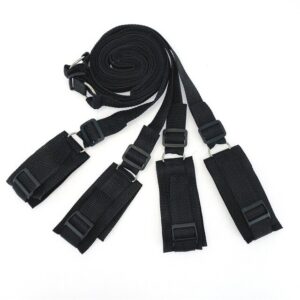
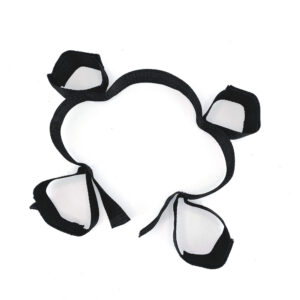
BDSM Bondage ropes – Restraint Strap System Sex Games
Original price was: 15.33$.7.29$Current price is: 7.29$. -
On Sale!
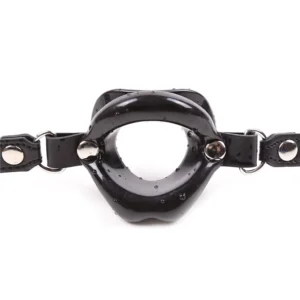
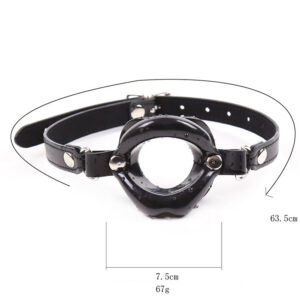
BDSM Breathable Mouth gag – Blowjob Sex toy for Slave
Original price was: 16.32$.6.98$Current price is: 6.98$. -
On Sale!







Phthalate-Free: Why Safe Plastic Matters
When you shop for adult toys on budget websites, you often see “Jelly” or “Rubber” materials at very low prices. But these bargains often come with a hidden cost: **Phthalates**. These chemicals are used to make hard plastics soft and flexible, but they are increasingly linked to health risks. This guide will help you understand why “Phthalate-Free” is the most important label you can look for.
Pro Tip: If a toy has a strong, pungent “new shower curtain” or chemical smell, it likely contains high levels of phthalates. High-quality silicone is almost completely odorless.
The Hidden Risks of Cheap Adult Toys
Your body’s most sensitive tissues are porous and easily absorb chemicals from the materials they touch.
Why Avoid Phthalates?
- Endocrine Disruptors: Phthalates can interfere with your body’s hormone production and balance.
- Material Stability: Products containing phthalates often “weep” or leak an oily residue over time as the chemical separates from the plastic.
- Allergy & Irritation: These chemicals are common causes of contact dermatitis, burning, and itching in sensitive areas.
- Bacterial Growth: Materials that require phthalates are almost always **porous**, meaning they have microscopic holes that trap bacteria and old lubricant.
The “Jelly” Warning: Almost all “Jelly” toys contain phthalates. Because they cannot be fully sanitized, they are essentially disposable and should never be used more than a few times or without a condom.
Pros of Safe Materials
- Hypoallergenic (safe for all skin types)
- Non-porous and easy to sanitize
- Odorless and pleasant to use
- Durable and long-lasting
Risks of Cheap Toys
- Possible hormonal interference
- Permanent oily stains on fabrics
- Potential for infections (Yeast/BV)
Frequently Asked Questions
Is all “soft” plastic bad?
No. High-quality **TPE (Thermoplastic Elastomer)** and **Silicone** are safe, non-toxic alternatives that provide softness without the need for harmful phthalates.
No. High-quality **TPE (Thermoplastic Elastomer)** and **Silicone** are safe, non-toxic alternatives that provide softness without the need for harmful phthalates.
How can I test my current toys?
The “smell test” is often accurate. If it smells strongly of chemicals and feels oily to the touch, it is likely best to replace it with a medical-grade silicone alternative.
The “smell test” is often accurate. If it smells strongly of chemicals and feels oily to the touch, it is likely best to replace it with a medical-grade silicone alternative.