

- On Sale!
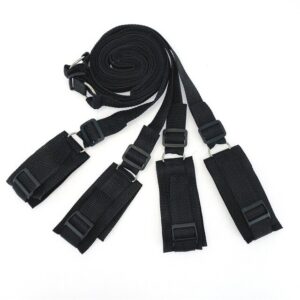
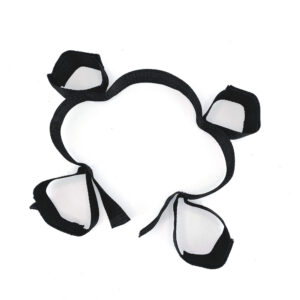
BDSM Bondage ropes – Restraint Strap System Sex Games
Original price was: 15.33$.7.29$Current price is: 7.29$. - On Sale!
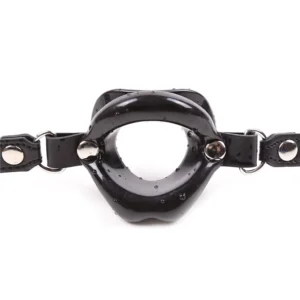
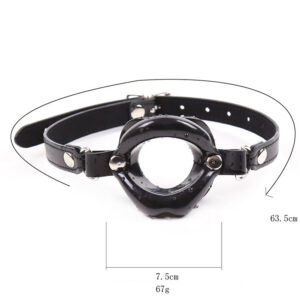
BDSM Breathable Mouth gag – Blowjob Sex toy for Slave
Original price was: 16.32$.6.98$Current price is: 6.98$. - On Sale!


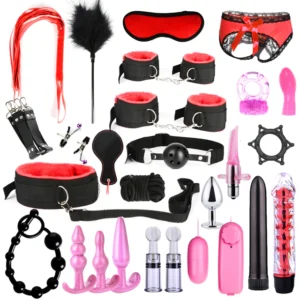
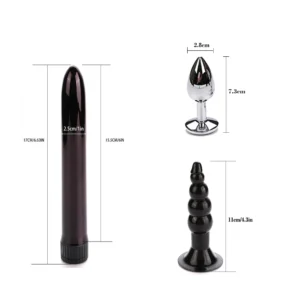
The Power of Prostate Play: Benefits and Tips
Often referred to as the “male G-spot,” the prostate is a small gland that can unlock intense, full-body orgasms when stimulated correctly. Despite its reputation, prostate play is a healthy and highly pleasurable activity that many men are now exploring for the first time. This guide will help you understand the anatomy and how to start safely.
Pro Tip: Relaxation is your best friend. Start with a warm bath and focus on deep breathing to allow your muscles to loosen before any stimulation.
How to Locate and Stimulate the Prostate
The prostate is located about 2-3 inches inside the rectum, toward the front of the body (behind the base of the penis).
Beginner’s Step-by-Step
- Lube is Essential: Use a generous amount of high-quality water-based or silicone-based lubricant. The rectum is not self-lubricating.
- Start Small: Use a lubricated finger or a small, curved toy designed specifically for the prostate’s “come hither” angle.
- The Motion: Apply gentle, rhythmic pressure toward the belly button. You’ll feel a walnut-sized, slightly spongy area.
- Add Vibration: Many prostate massagers feature vibrating tips that provide deep, internal stimulation and help with blood circulation.
Safety Note: Only use toys with a flared base. Anything inserted into the rectum must have a way to be easily retrieved.
Benefits of Prostate Massage
- Intense, long-lasting orgasms
- Improved pelvic floor health
- Can aid in preventing prostatitis
Considerations
- Requires patience and time
- Cleanup is part of the process
- Steep learning curve for some
Frequently Asked Questions
Does prostate play make you gay?
No. Pleasure is physiological. The prostate is an erogenous zone in all men, regardless of their sexual orientation.
No. Pleasure is physiological. The prostate is an erogenous zone in all men, regardless of their sexual orientation.
What position is best?
Many beginners prefer lying on their side in a “fetal” position, or on their back with knees bent. Try different angles to see what feels most accessible.
Many beginners prefer lying on their side in a “fetal” position, or on their back with knees bent. Try different angles to see what feels most accessible.